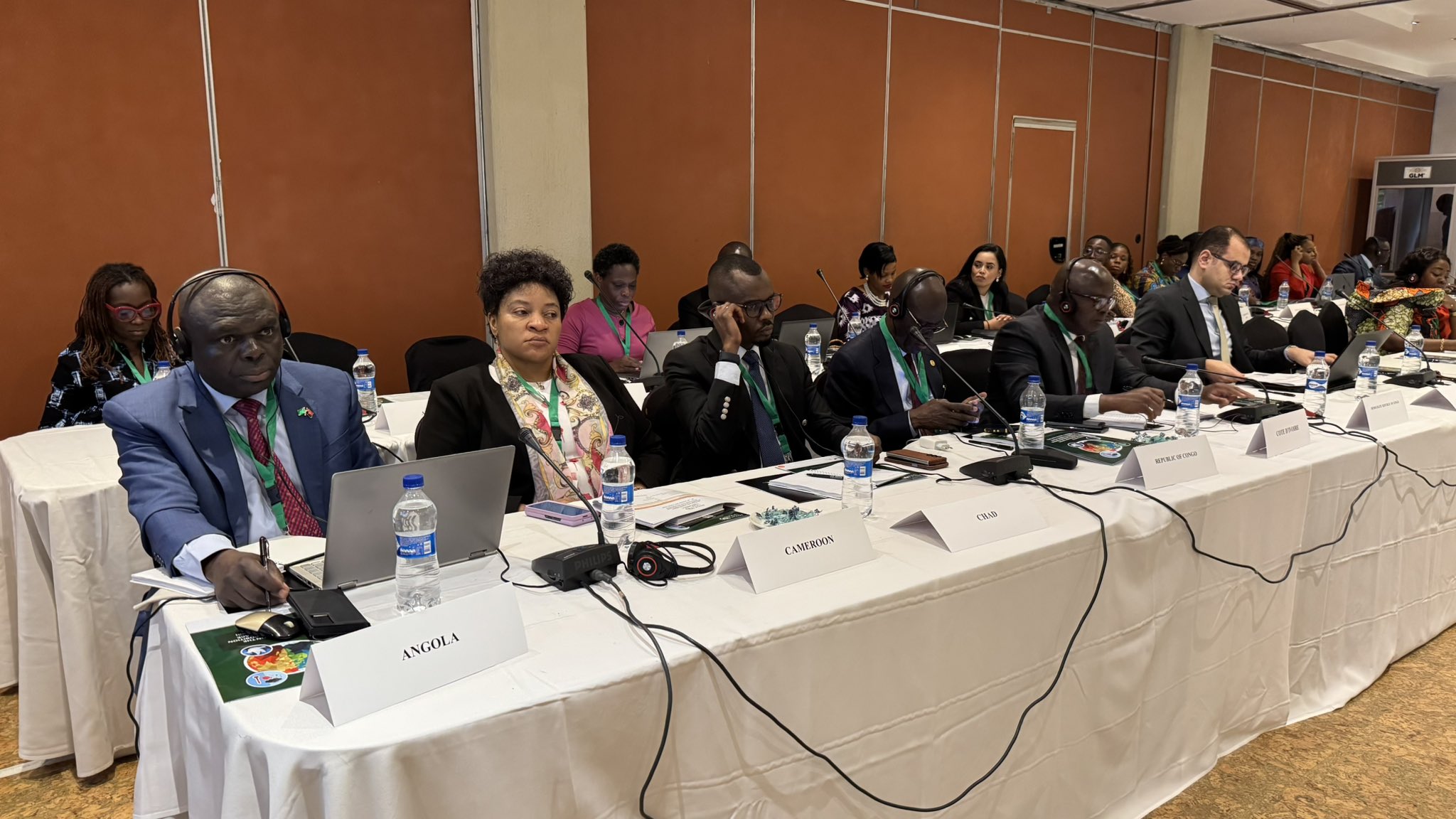
Cameroon's Ambassador Churchill Ewumbue-Monono Champions African Leadership in Climate-Security Nexus at AU Validation Workshop in Nairobi
25–27 November 2025 — Nairobi, Kenya
From 25 to 27 November 2025, Nairobi, Kenya, hosted a pivotal workshop: The AU Member States Validation of the Draft Common African Position on the Climate Change, Peace and Security Nexus. This convening brought together representatives from AU Member States, civil society, youth and women's organisations, media, and technical partners to scrutinize and refine a unified continental approach.Key Highlights:
- Climate as a Security Driver:
H.E. Amb. Churchill Ewumbue-Monono, Permanent Representative of Cameroon and incoming Chair of the AUPSC (Peace and Security Council) in November, underscored the growing consensus that climate change is not only an environmental issue but a critical "threat multiplier" for insecurity in Africa. He insisted that Africa's response must reflect its lived realities and be grounded in wide consultation.
- Expectations for the Draft Position:
Ambassador Monono outlined the Council's hopes for the draft: it should be "well considered, technically sound, and widely owned." He called for practical recommendations and a coherent text that can guide Africa's contributions both regionally and on the global stage; particularly at key climate and security platforms.
- Inclusive Process:
He expressed gratitude to all stakeholders, Member States, civil society organizations (CSOs), women and youth groups, media, and development partners for their active engagement in shaping the document. Their contributions are seen as vital to achieving legitimacy and consensus.
- Africa's Unified Voice:
Through this validation workshop, the Council hopes to endorse a draft that will elevate Africa's leadership in shaping policies around climate security and loss & damage, and guide engagements at important global climate forums.
Acknowledgements:
A special thank you to the government representatives, regional bodies, technical experts, civil society organizations, youth and women's groups, media, and international partners whose dedication and insight ensured this process remains inclusive, forward-looking, and rooted in Africa's realities.